Japan 2026: Retail is Still King
August 3, 2026
on
Japan 2026: Retail is Still King
August 3, 2026Japan 2026: Retail is Still King
August 3, 2026 We returned to Tokunoshima for the first time since 2023, and once again experienced the embrace of its immense natural beauty and the genuine warmth of the family and friends we reconnected with there. Nestled in the Ryukyu chain between Kyushu and Okinawa, the island is wrapped in emerald waters, coral reefs, and all the lushness of a subtropical paradise. It was my first time visiting during tsuyu, the rainy season that runs from mid-May through June, and the stormy weather certainly lived up to its reputation. Luckily, we somehow managed to dodge the worst of it throughout our five-day stay.
Like much of rural Japan, Tokunoshima’s population has declined over time as younger generations relocated to larger mainland cities for work and education. From a peak of about 60,000 in the 1960s, the population is down to around 20,000 today. Despite these trends, promising signs of renewal are emerging; driven by a desire for respite from city life, a growing number of young adults are choosing to leave urban centers and return to their rural hometowns. Tokunoshima’s global profile also got a boost in 2021 with its designation as a UNESCO World Heritage Site, while local initiatives are injecting fresh cultural energy into the community. One standout example is Ocean Gaia, Japan’s first underwater sculpture, a stunning bio-friendly installation on the island’s western coast that doubles as an artificial reef for marine life.
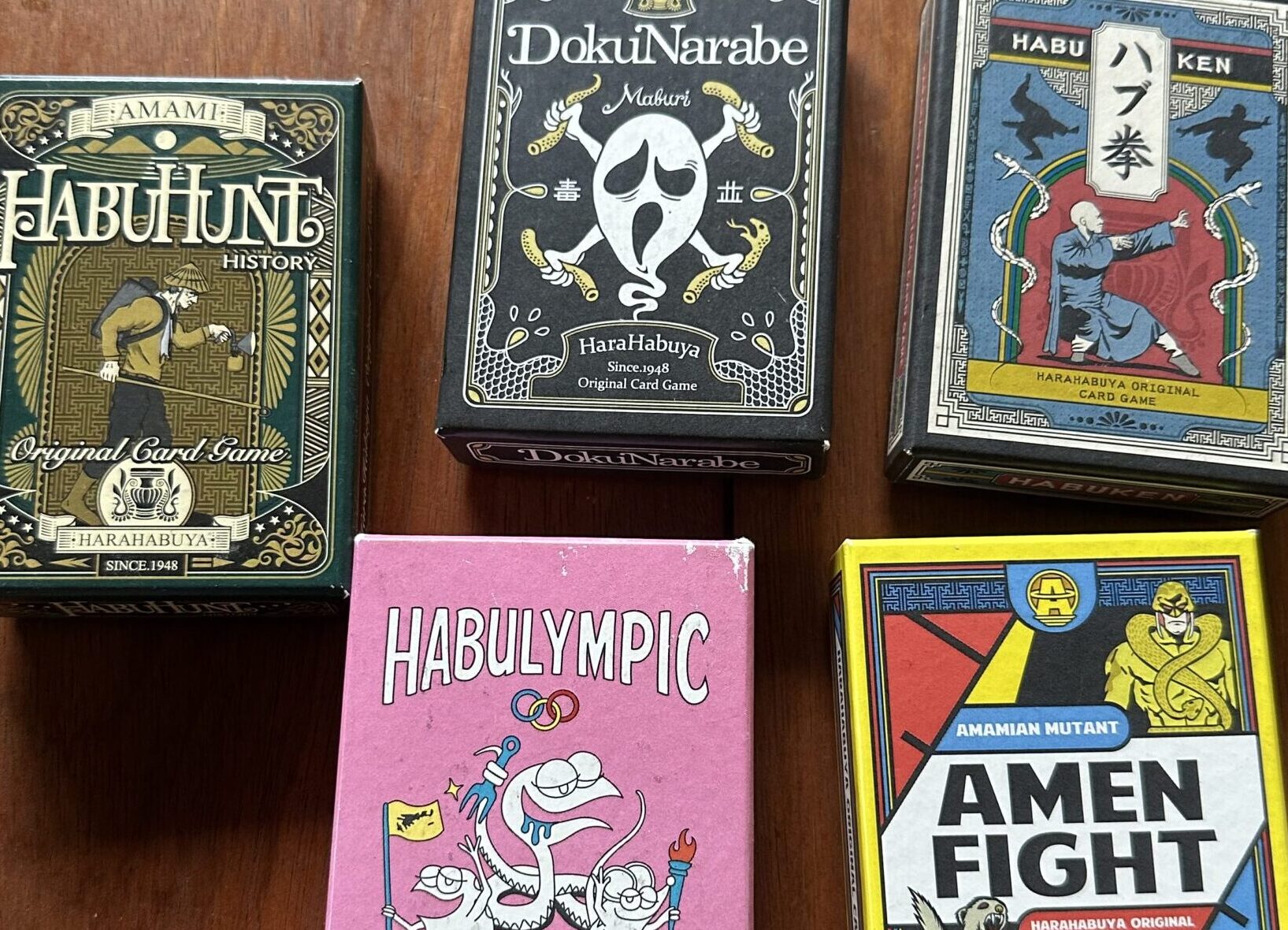
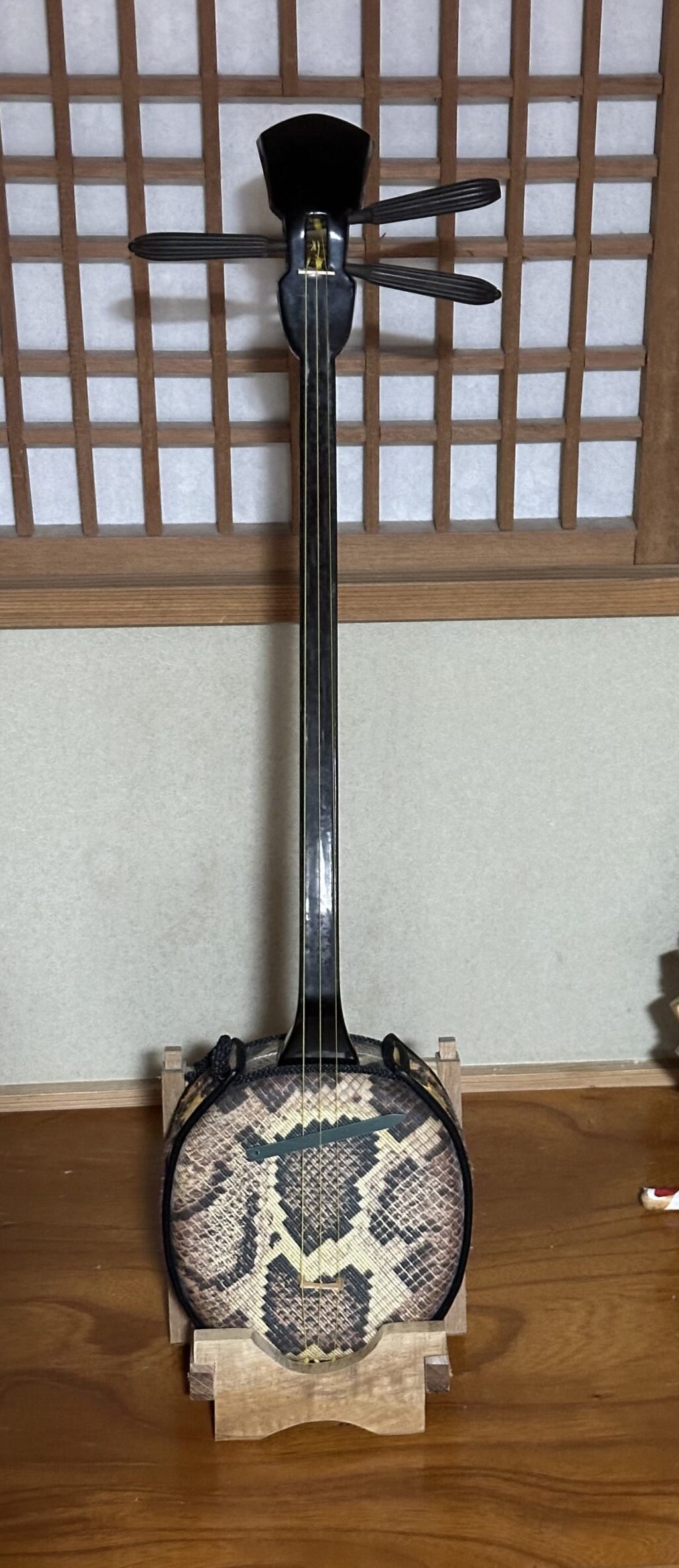
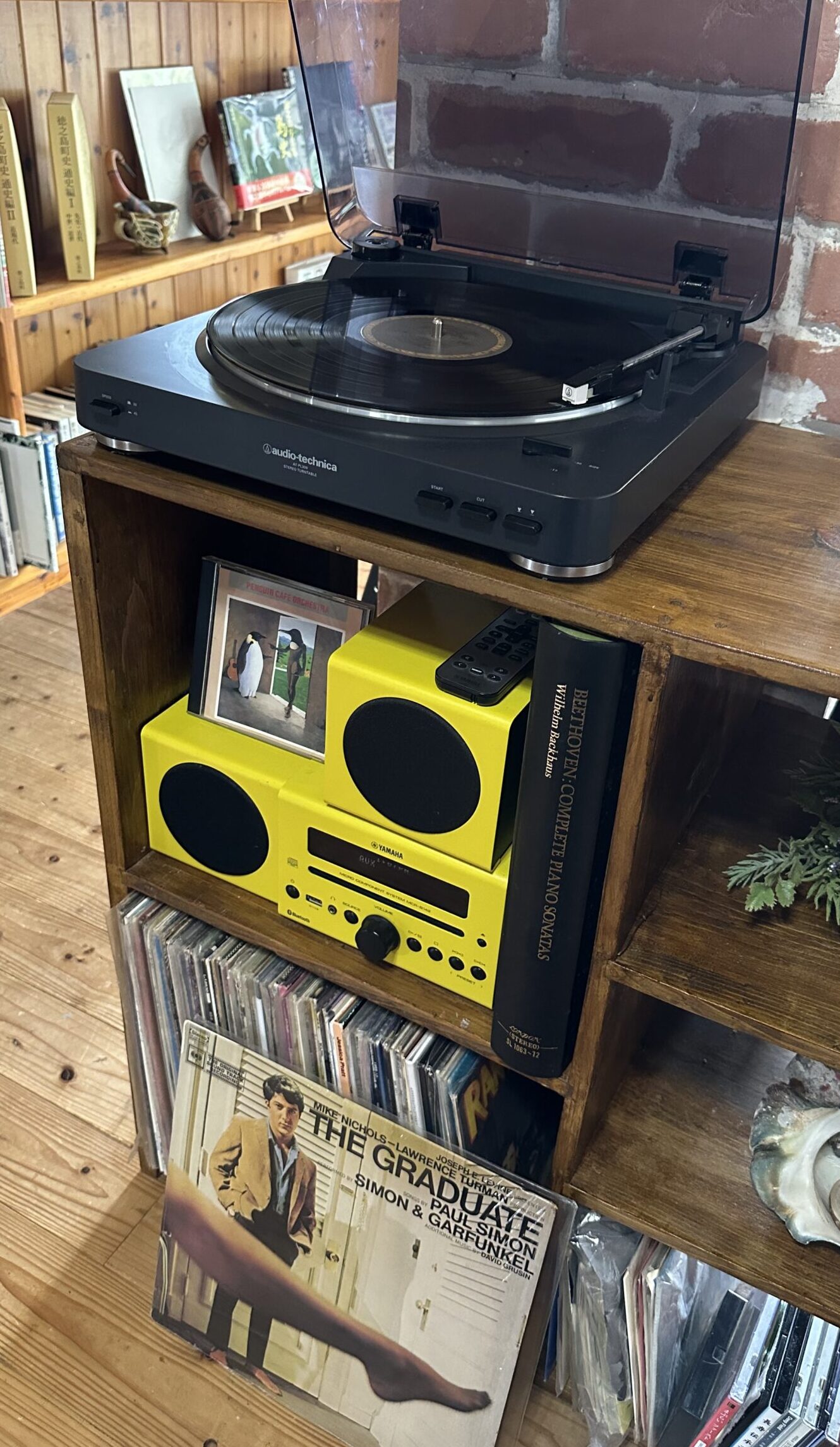
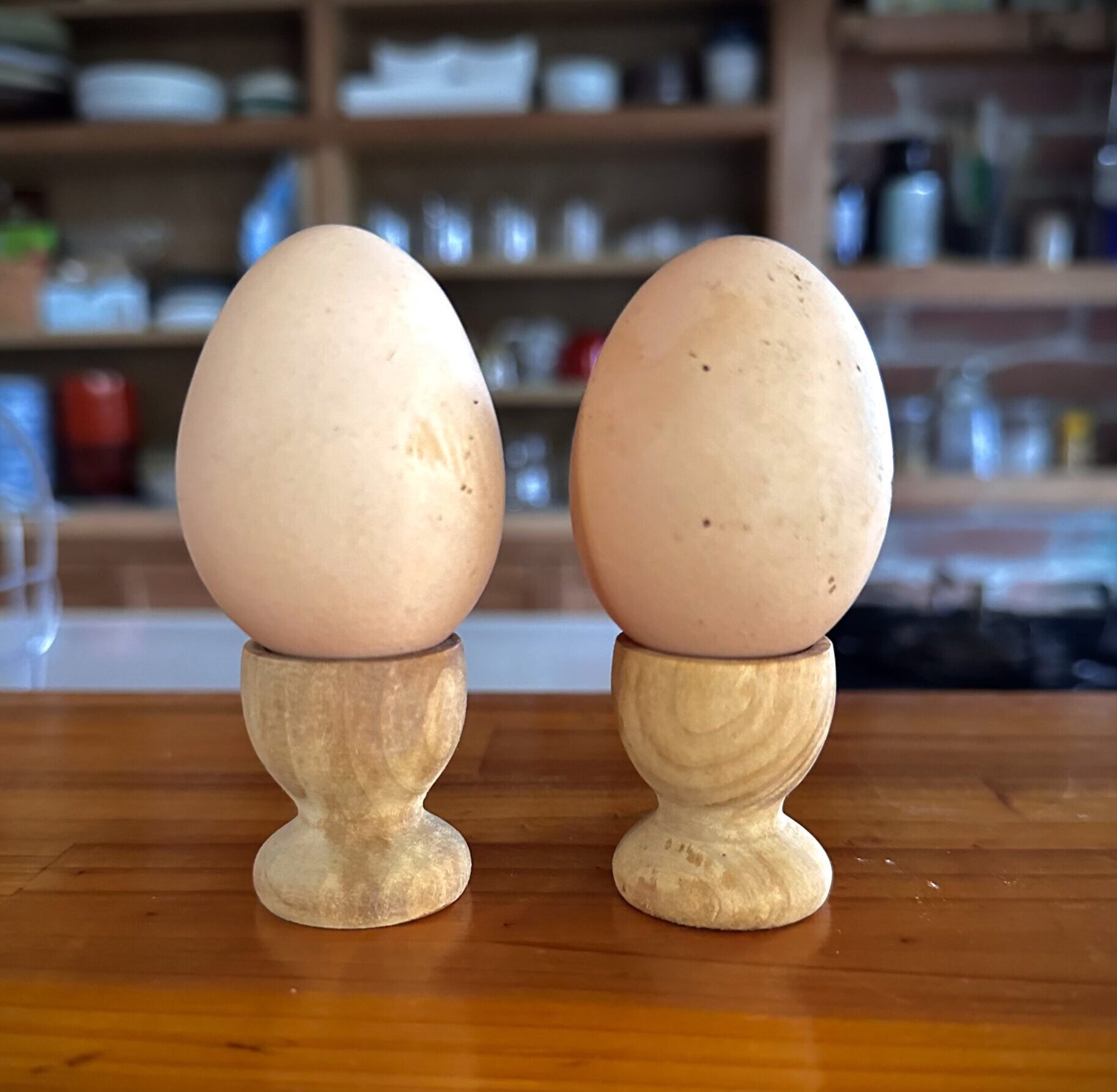
Games, music, friendly pets and more: a small sampling of the many delights and surprises we discovered at Michi Guest House.
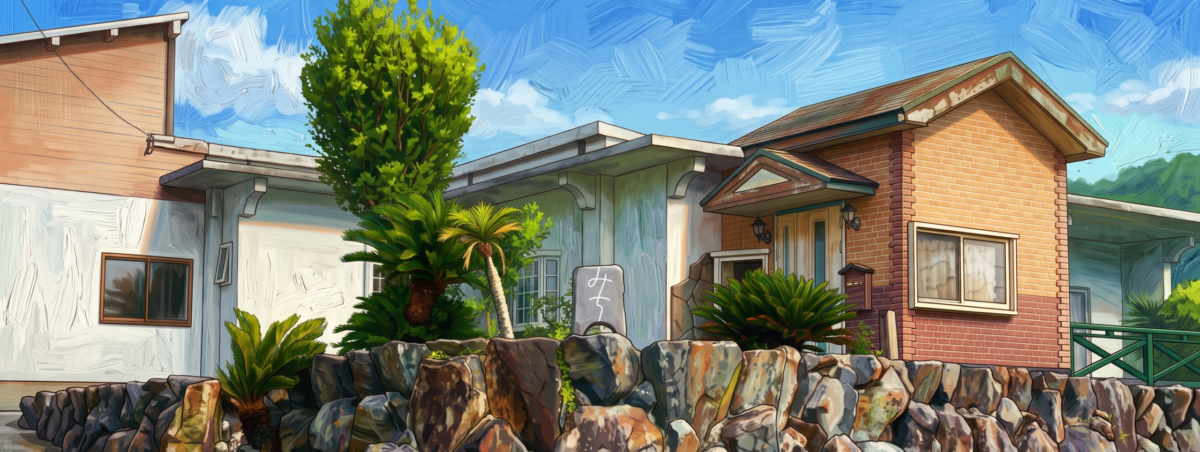
We experienced another dimension of this renewal firsthand during our stay at Michi Guest House, a charming minpaku in Asan that opened in 2020. The entire home gave off a vibe throughout that brought to my mind the Chikkyu-ya in Ghibli’s Whisper of the Heart, filled to the brim with unique and whimsical touches, local art and artifacts. Goats and chickens roamed the backyard, providing fresh eggs for breakfast, while the interior spaces featured a wealth of cultural items, like a traditional sanshin crafted from habu viper skin, and a room set up as a library wholly dedicated to Tokunoshima’s history and culture. The house even featured a working antique wind-up gramophone with period shellac records, along with a modern turntable and an outstanding vinyl collection that I kept spinning throughout our stay.
Browsing the materials laid out for guests suggested to me that a coalition of (perhaps younger?) islanders is actively reconnecting with their roots, promoting local history and culture at a grassroots level. Beyond displaying local crafts and history in the guest house, the owners promote workshops and island-centric cultural activities through their website, sharing Tokunoshima’s heritage with locals and travelers from across Japan and around the world. Our stay at Michi Guest House was an unexpected delight, though entirely consistent with the warmth and hospitality I have come to appreciate about this beautiful island.