Teardown 2026: Meet Climatron
July 26, 2026
on
Teardown 2026: Meet Climatron
July 26, 2026Teardown 2026: Meet Climatron
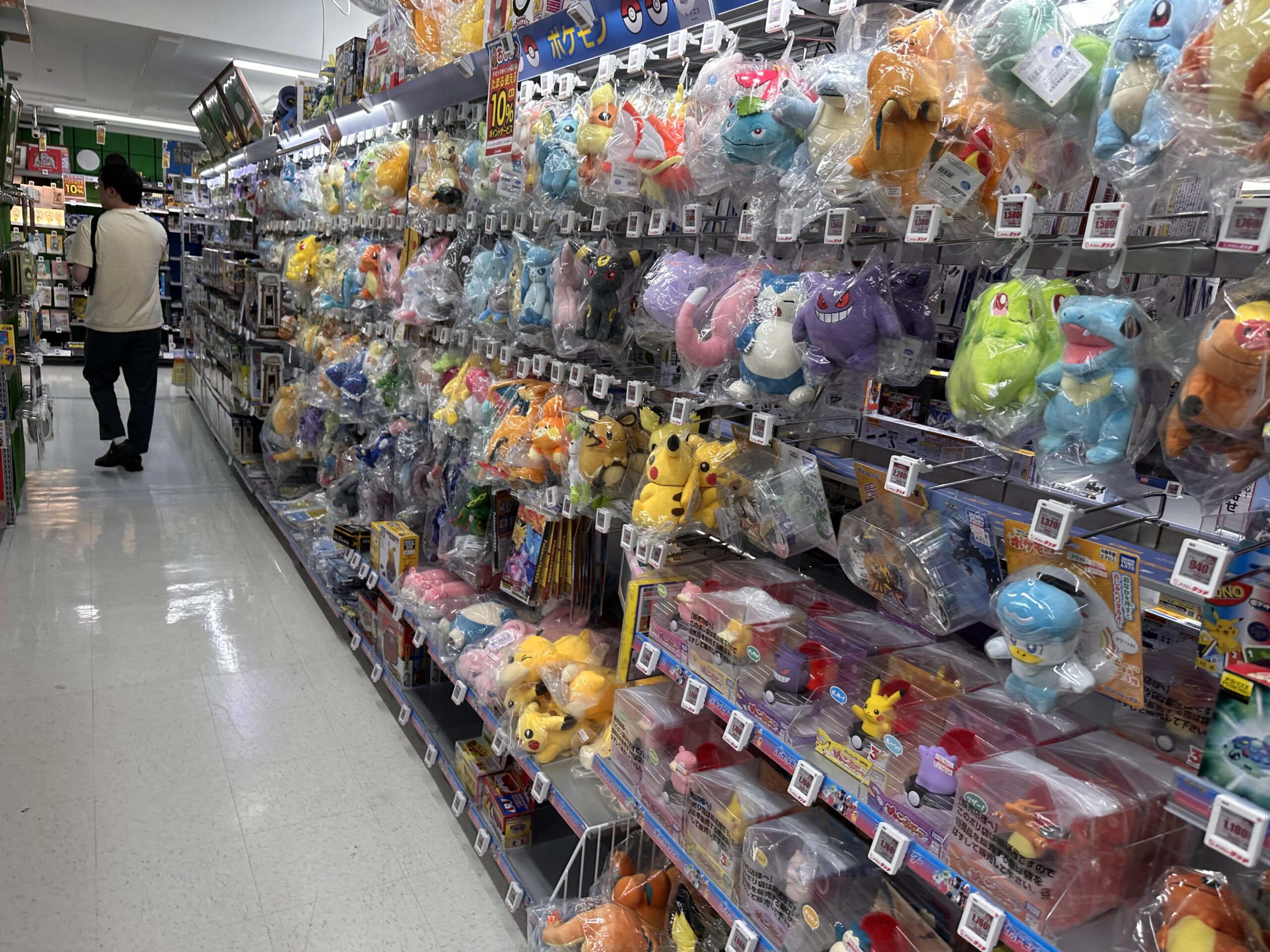
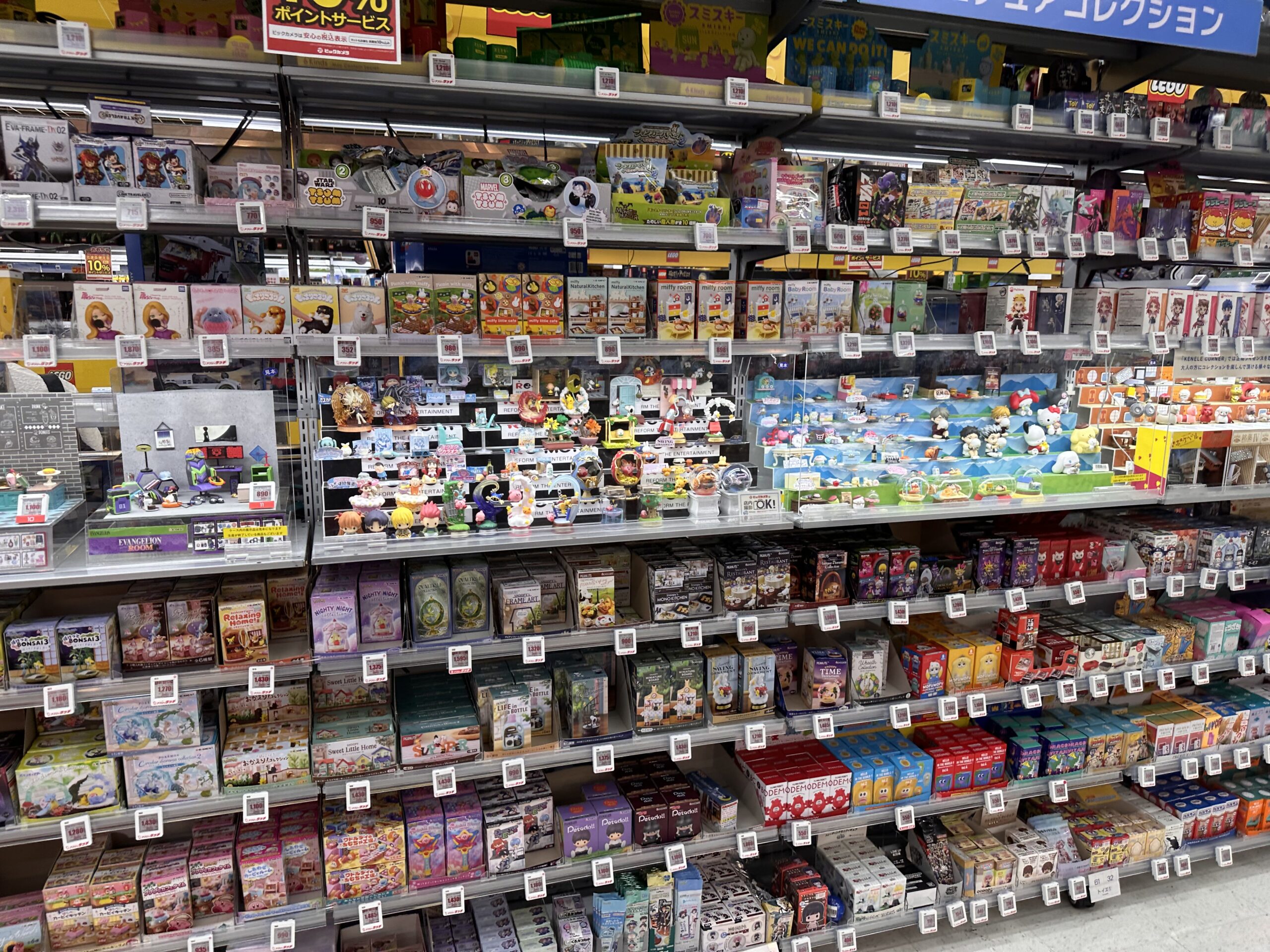
July 26, 2026Wandering the audio floor at Yodobashi Camera in Akihabara, I was stunned to see a section with literally hundreds (I’d estimate 250 to 300) of different wireless earbuds on display. I’m not exaggerating. And that was just the earbuds; category after category was equally rich with variety, from everyday goods to niche electronics.
There’s really no brick-and-mortar comparison here in the US, not today for sure, and perhaps never. Sure, you can scroll through hundreds of options on Amazon, but seeing that much variety in person is just different. It left me wondering: Why is retail still thriving so vibrantly here? It’s not like Japanese consumers don’t shop online as well. But despite the rise of e-commerce, economic shifts, and global competition, physical retail in Japan hasn’t just endured; it’s thriving in a big way
So. Many. Choices. Everywhere.
Here in Seattle by contrast, the proliferation of online shopping has undeniably taken a toll on physical retail. Mom-and-pop and specialty shops continue to dwindle while big-box stores survive, inevitably reducing every town to the same generic retail landscape. To be completely fair, comparing Seattle to Tokyo is probably stacking the deck; a more direct parallel to Tokyo might be New York City. But the contrast in daily life is still striking, and my uneducated theory is a lot of it comes down to how we humans (and by that I mean consumers) interact with our surroundings:
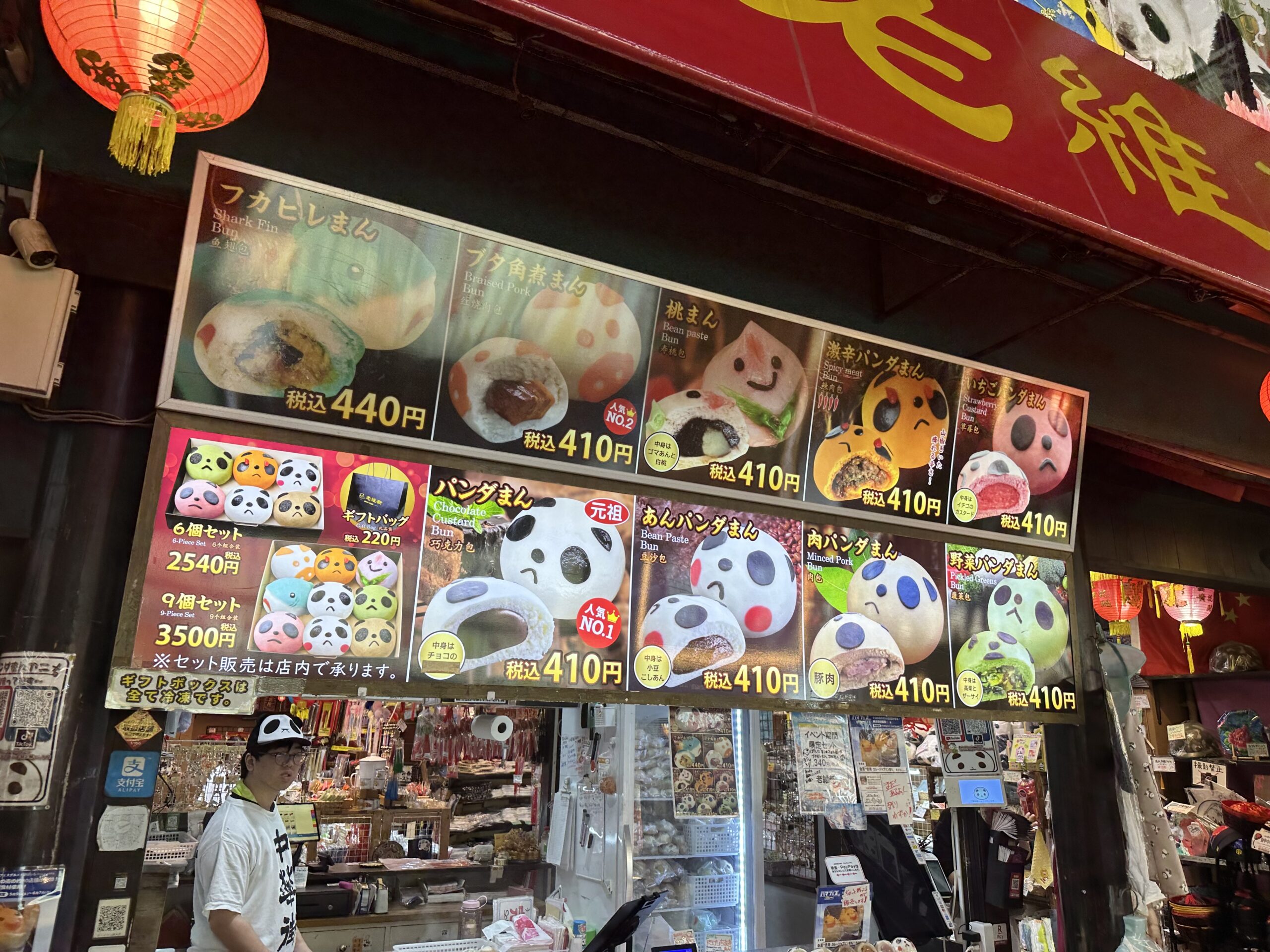
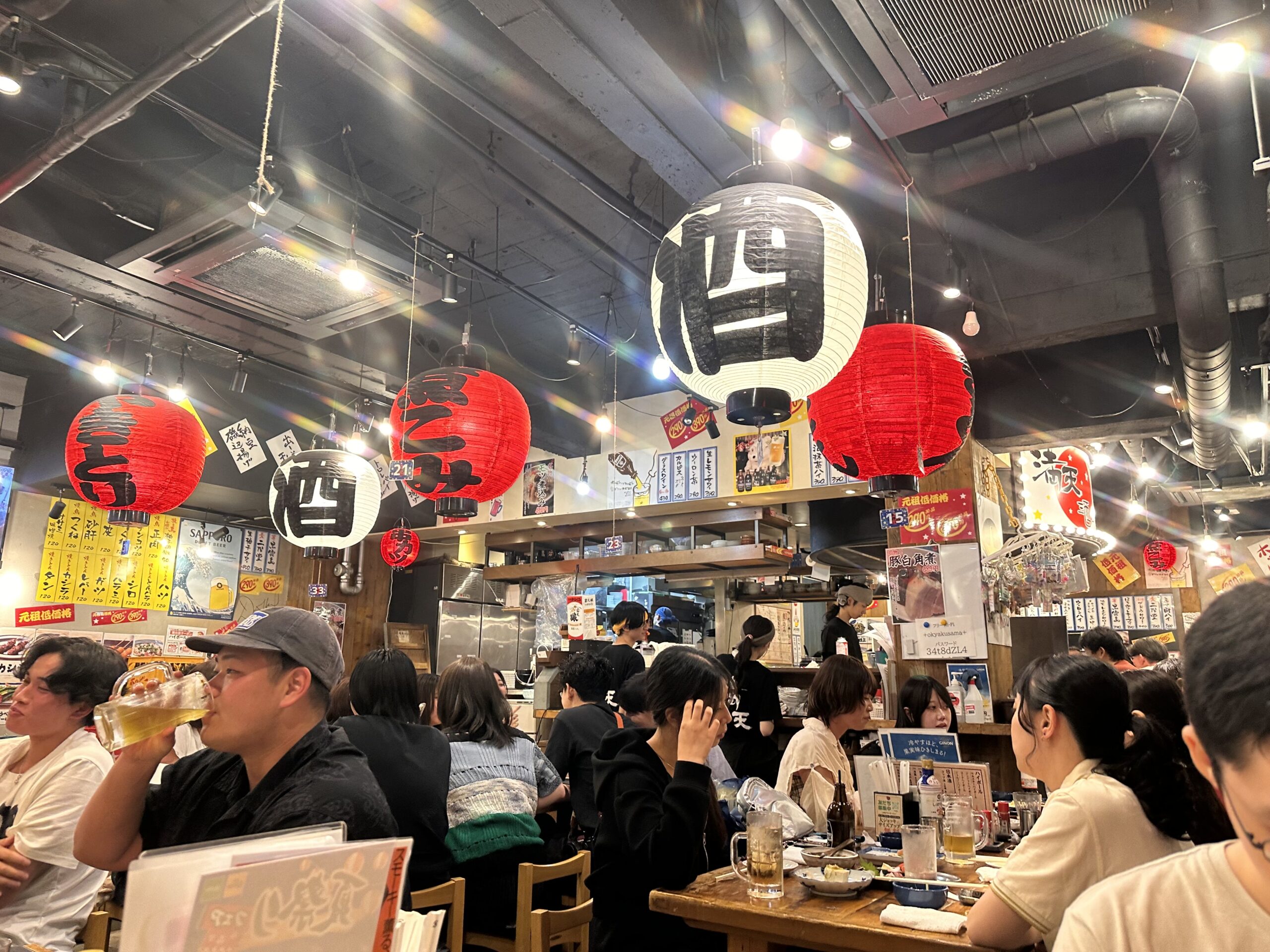
In Greater Tokyo, roughly 60% of commuters rely on mass transit. In the Seattle metro area, around 70% drive private cars and only 10% to 15% use public transit regularly. When millions of people walk to and from trains every day, retail isn’t a destination you have to proactively drive to; specialty shops, tiny groceries, standing bars, and department stores exist directly along the path of daily life.
Japanese retail favors depth over breadth. Unlike American big-box stores like Target or Walmart that try to sell a bit of everything under one roof, even major Japanese chains like Ito-Yokado or Aeon feel more like a collection of distinct specialty shops.
A booming tourism market, bolstered by a historically weak yen, has turned Tokyo (and the rest of Japan) into a shopper’s paradise. High tourist volume is pouring fresh cash directly into physical stores at an unprecedented level.
The growth doesn’t seem to be slowing down, either. Major hubs like Shinjuku and Shibuya are currently undergoing massive construction and transit upgrades, and I already can’t wait to see what they look like the next time we visit.