
Orlando “Business” Trip
January 30, 2026
Seattle Sonics: The Long Road Back
March 27, 2026
on
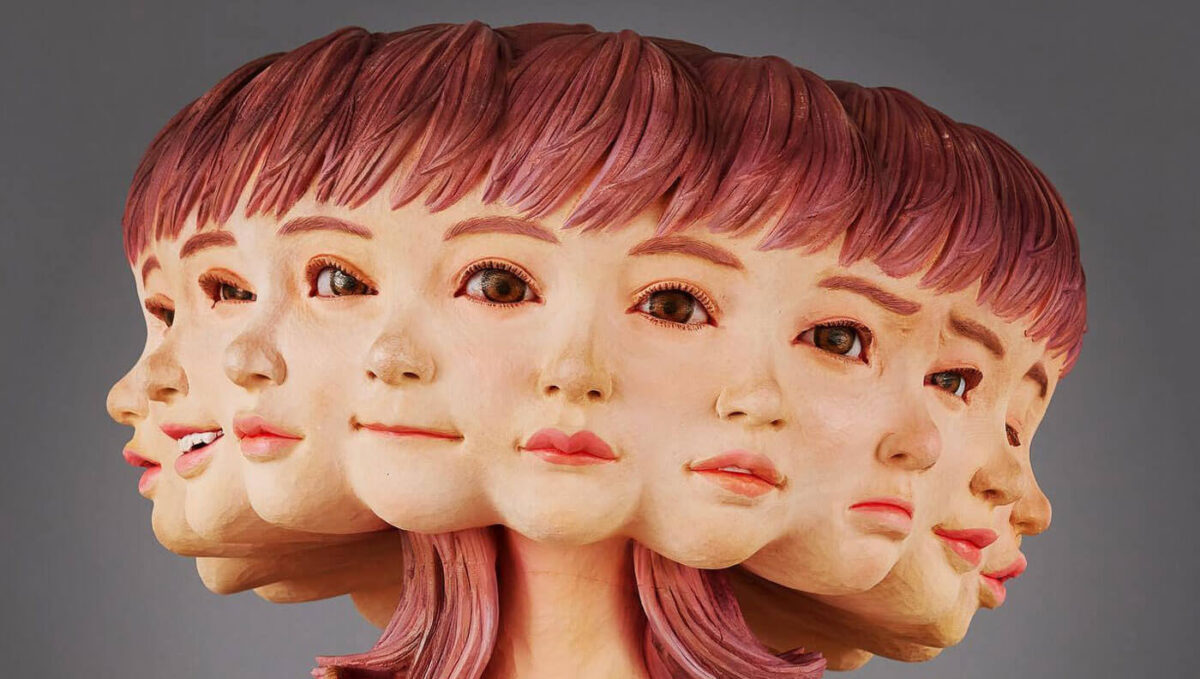
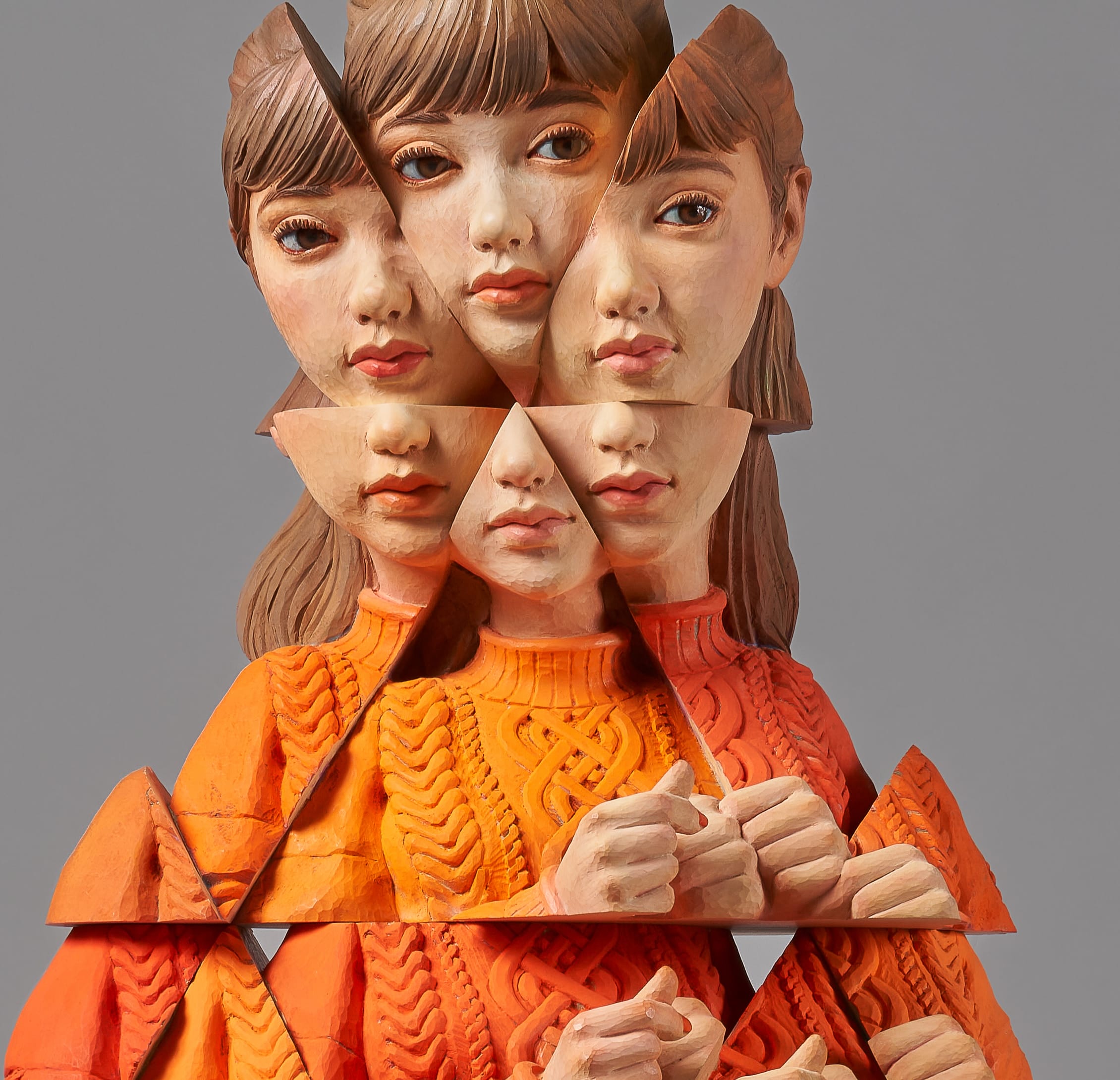
Detail of Kanemaki’s Urara Caprice (2023)
When I recently discovered the work of sculptor Yoshitoshi Kanemaki, I found myself drawing mental parallels between his style and that of animation legend Satoshi Kon, which probably says more about my own sensibilities than about either of them. The works of both artists appear rooted in Japanese tradition, but are utterly contemporary, and both are nuanced in their forms of expression and trust viewers to draw their own conclusions. And both are undeniably original and visionary.
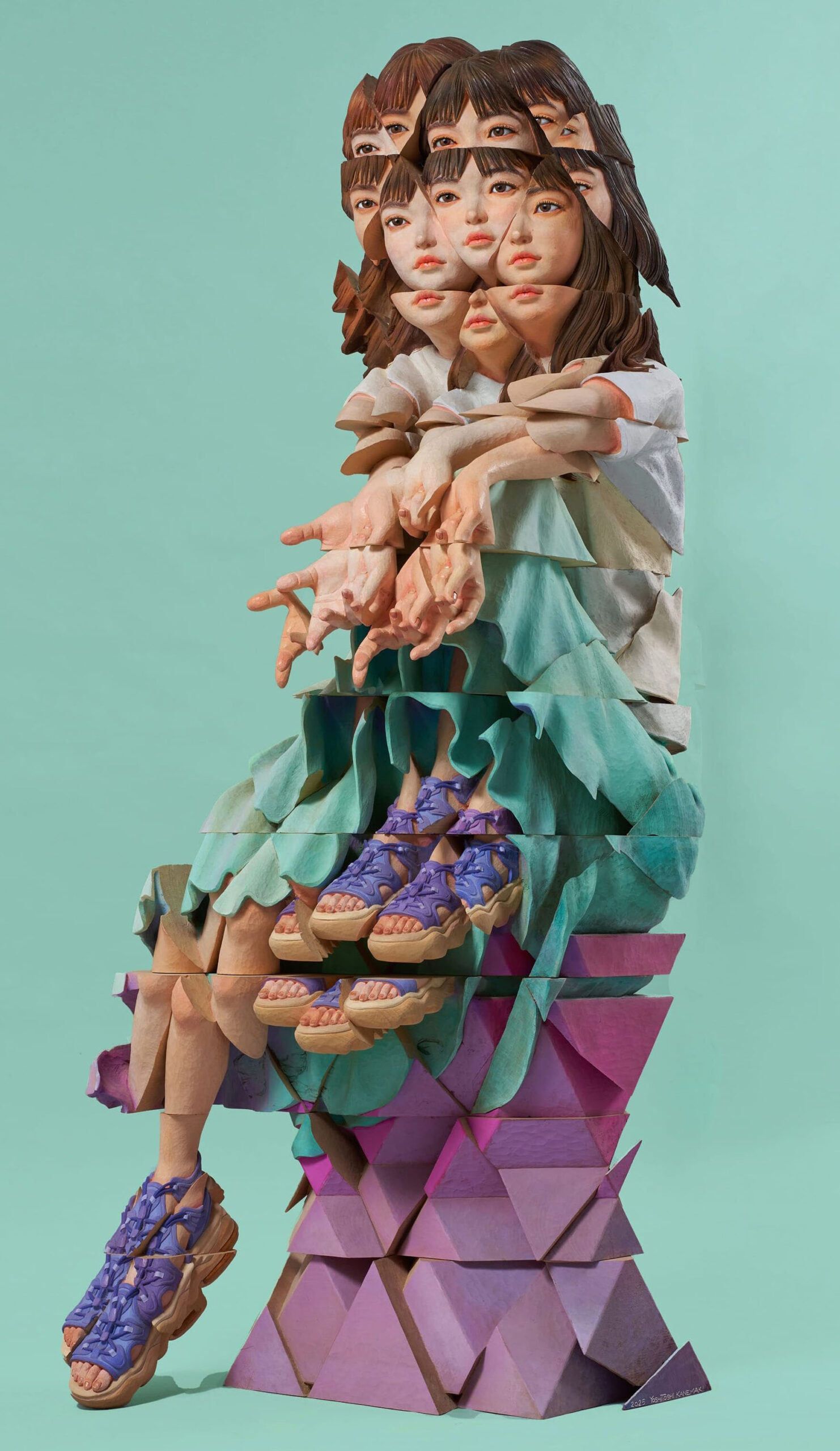
Kanemaki’s works appear classically grounded, typically carved from a single piece of wood using traditional techniques. But that stability quickly gives way to something more uncanny: limbs elongate unnaturally, bodies stretch or compress, surfaces interrupt themselves with seams or abrupt shifts in volume. There’s a distinct sense of glitching at play, as if the figures were caught mid-render or desynchronized in time.
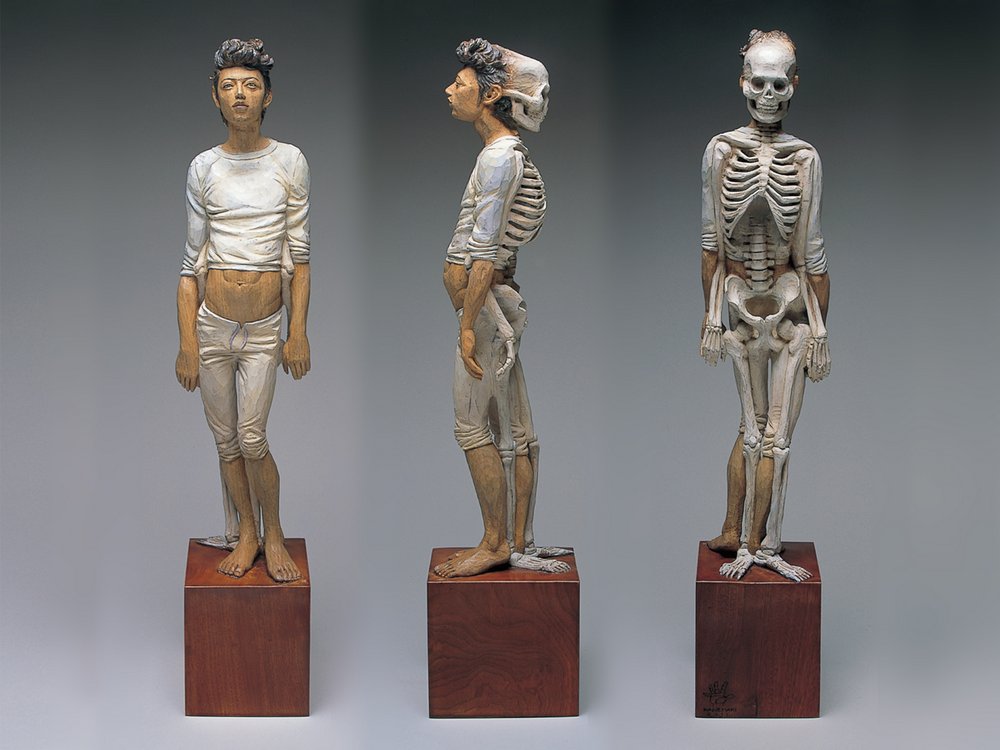
Left to right: Insight Prism (2025); Memento Mori (2014)
What I like most is how the bold surrealistic tone evidenced throughout Kanemaki’s work still maintains a degree of restraint. The result is sculpture that feels unstable but in a relatable way; figures that seem to exist between states, thoughts and/or versions of themselves. In a medium associated with permanence, many of Kanemaki’s sculptural works feel almost “temporal”, as if they might continue changing as soon as we look away.
If your’re interested, here’s a great in-depth article about Kanemaki from 10 years ago, including personal reflections about his own creative process.
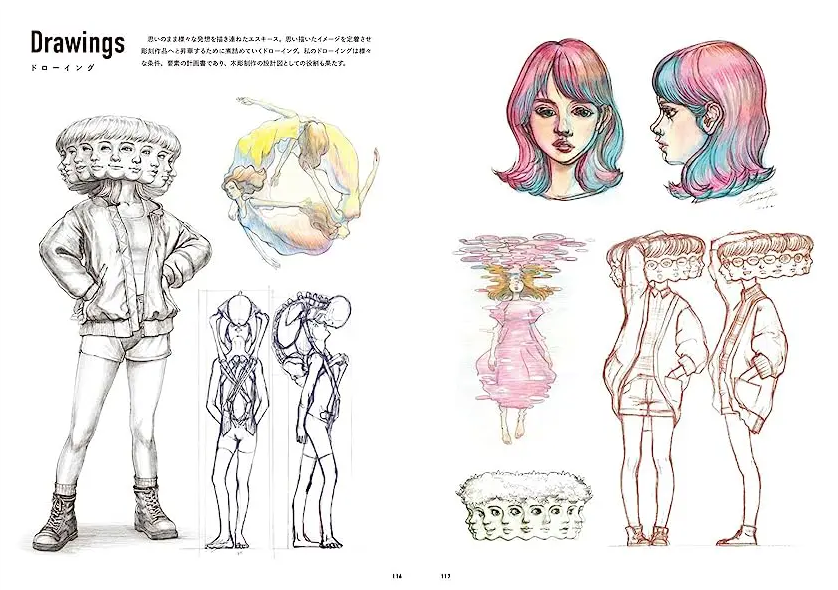
Left to right: detail of Reflection Prism (2024); concept sketches for Urara Caprice series.